
2Ekim 2025
7 Effective Methods for Sterilizing Laboratory Consumables
Table of Contents
Sterility is one of the most critical aspects of laboratory work. Whether in microbiology, molecular biology, or clinical diagnostics, using non-sterile consumables can compromise results, damage cultures, or even create safety risks. Consumables such as pipette tips, Petri dishes, test tubes, and microcentrifuge tubes often come pre-sterilized from manufacturers, but in many cases, labs need to sterilize consumables on-site to ensure compliance and reproducibility.
In this article, we’ll explore 7 effective methods for sterilizing laboratory consumables, their applications, and the precautions to take.
1. Autoclaving (Steam Sterilization)
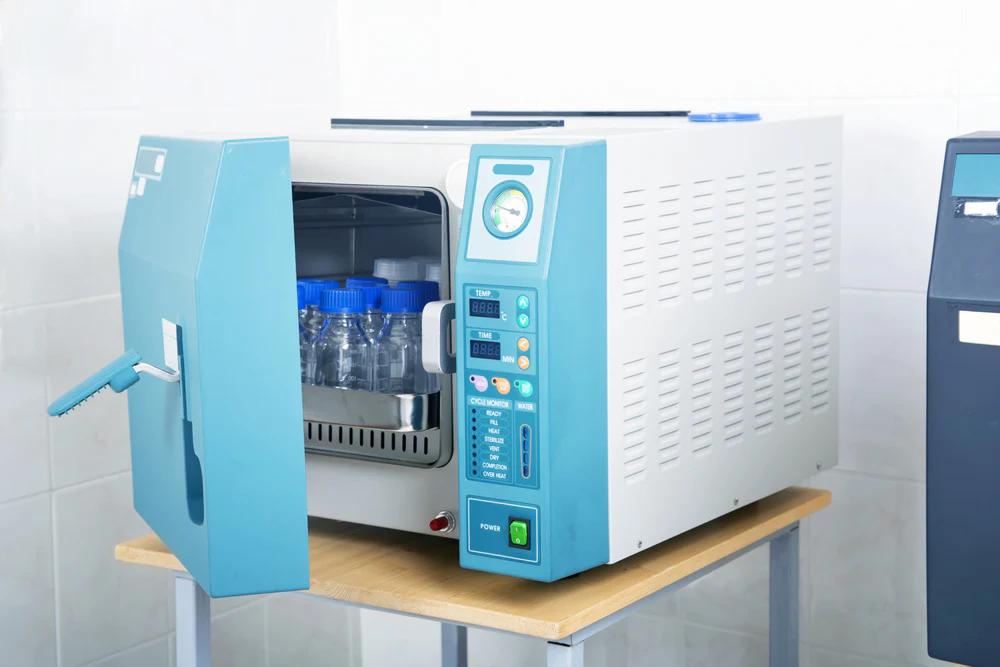
Autoclaving is the most widely used sterilization method in laboratories. It uses pressurized steam at 121°C for 15–20 minutes to destroy microorganisms, spores, and contaminants.
- Suitable for: glassware, metal instruments, certain plastic consumables (if autoclavable).
- Not suitable for: heat-sensitive plastics, some reagents.
- Benefits: reliable, fast, widely accessible.
- Precaution: ensure consumables are marked “autoclavable” to prevent melting or deformation.
Autoclaving is the gold standard for sterilization, especially for glass test tubes, flasks, and reusable lab consumables.
2. Dry Heat Sterilization
Unlike autoclaving, dry heat uses high temperatures (160–180°C) for 2–3 hours without moisture. It kills microorganisms through oxidative processes.
- Suitable for: glassware, metal tools, powders.
- Not suitable for: plastics, liquids, or heat-sensitive materials.
- Benefits: effective for materials damaged by moisture.
- Precaution: longer cycle times and energy consumption.
Dry heat sterilization is commonly used for Petri dishes, glass pipettes, and glass slides.
3. Chemical Sterilization
Some consumables cannot withstand heat, so chemical sterilants such as ethylene oxide (EtO), hydrogen peroxide, or peracetic acid are used.
- Suitable for: plastics, catheters, disposable syringes, and medical consumables.
- Not suitable for: reagents or materials reactive to chemicals.
- Benefits: effective at low temperatures, penetrates packaging.
- Precaution: EtO is toxic and requires long aeration times.
Chemical sterilization is widely used in industrial-scale sterilization of consumables like pipette tips and plastic Petri dishes.
4. Radiation Sterilization (Gamma or Electron Beam)
Radiation sterilization uses gamma rays or electron beams to destroy microorganisms by damaging their DNA.
- Suitable for: single-use plastics (Petri dishes, pipette tips, syringes).
- Benefits: rapid, effective, leaves no residue.
- Precaution: requires specialized equipment, not feasible for in-house labs.
Most commercially pre-sterilized consumables (like disposable pipette tips) are treated with gamma radiation.
5. Filtration Sterilization
This method uses membrane filters with pore sizes ≤0.22 µm to physically remove bacteria and other contaminants from liquids.
- Suitable for: culture media, buffers, heat-sensitive reagents.
- Not suitable for: solid consumables.
- Benefits: preserves the activity of heat-sensitive solutions.
- Precaution: does not remove viruses or prions.
Filtration is essential for sterilizing lab reagents and solutions before use in experiments.
6. UV Sterilization
Ultraviolet (UV-C) light at 254 nm can sterilize surfaces and air in laboratories.
- Suitable for: workbench surfaces, plastic consumables (surface sterilization only).
- Benefits: quick, chemical-free.
- Precaution: limited penetration, only works on exposed surfaces.
UV sterilization is often used in biosafety cabinets and laminar flow hoods to maintain sterility of consumables before use.
7. Gas Plasma Sterilization
This advanced method uses low-temperature hydrogen peroxide plasma to sterilize consumables.
- Suitable for: heat-sensitive plastics, medical instruments, optical devices.
- Benefits: rapid, non-toxic residue, effective at low temperatures.
- Precaution: expensive, requires specialized equipment.
Gas plasma sterilization is increasingly used in hospitals and biotech labs for sensitive consumables that cannot be autoclaved.
Best Practices for Sterilizing Consumables
- Labeling: Always mark sterilized consumables with date and cycle.
- Validation: Use sterility indicators (autoclave tape, biological indicators) to confirm successful sterilization.
- Storage: Keep sterilized items in sealed pouches or sterile cabinets to avoid contamination.
- Supplier Choice: When possible, purchase consumables pre-sterilized from ISO-certified suppliers.
Conclusion
Sterilization of laboratory consumables is not optional—it is essential for ensuring reliable results, researcher safety, and compliance with international standards. By applying the correct sterilization method—whether autoclaving, dry heat, chemicals, radiation, filtration, UV, or gas plasma—labs can guarantee that their tools and consumables remain contamination-free.
Choosing the right sterilization approach depends on the type of consumable, material properties, and laboratory capacity. A trusted bio solutions partner, such as KaryonX, ensures access to both sterilized consumables and expert guidance on best practices for sterility in scientific environments.